How can I implement ISO 9001 quickly and easily?
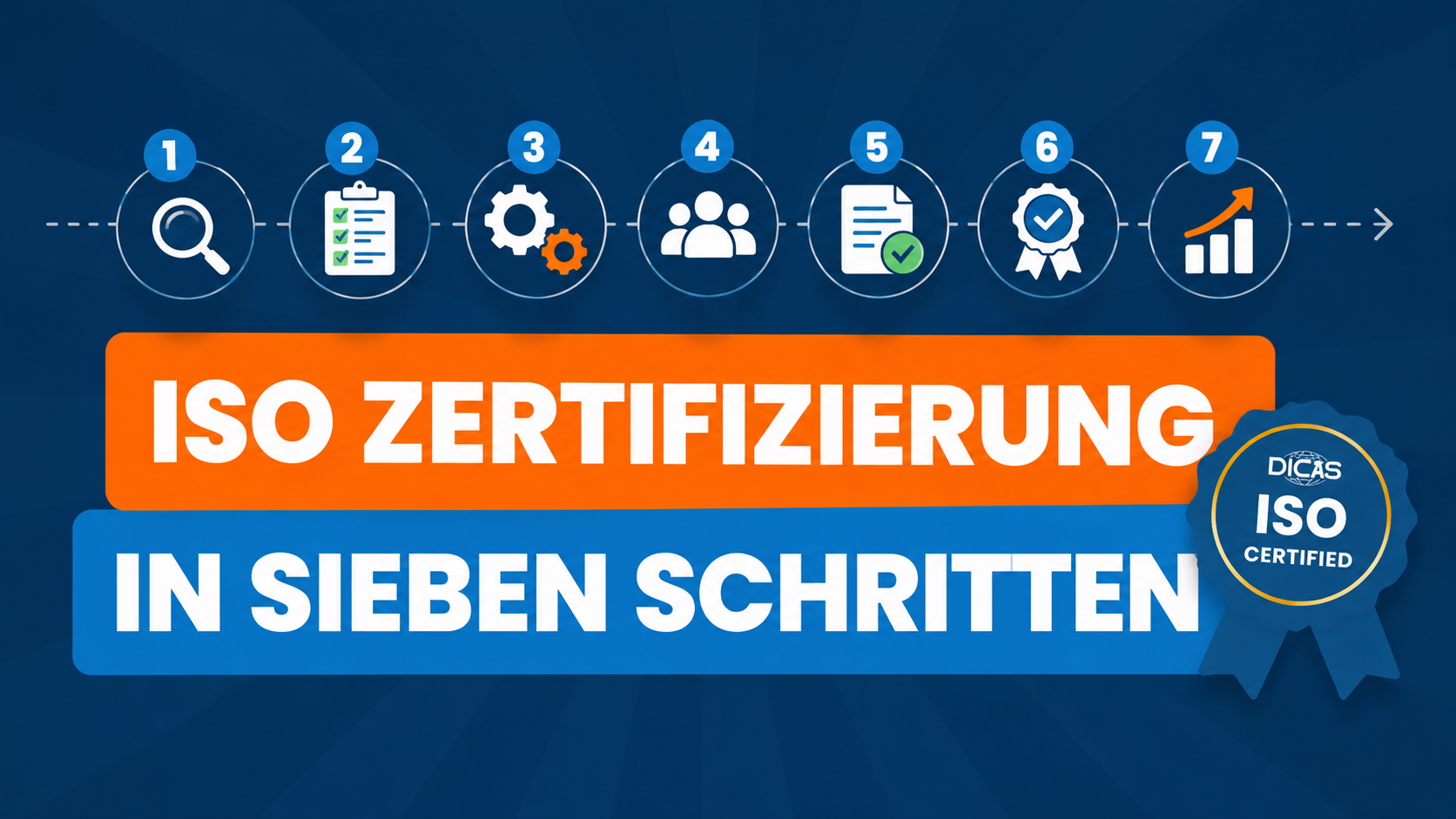
ISO 9001 can now be implemented quickly and easily if you take a structured approach. You can break down the 300+ requirements into seven steps: analyze the company, set objectives, define processes, create documents, identify risks and opportunities, carry out evaluations, and involve employees. This is how a functioning management system is built step by step.
Until now, implementation was difficult and full of hurdles. That’s not surprising, because ISO 9001:2026 is anything but easy to read and understand. And so, building a quality management system is a closed book for many. It doesn’t have to be that way. In this article, we explain how you can implement ISO 9001 quickly and easily. Without expensive consulting. And without projects that drag on for months.
With a digital certification tool, you can implement the standard’s requirements directly and without detours. Try the tool free for 30 days and start your ISO 9001 implementation right away.
How do I start implementing ISO 9001?
In the first step, you analyze your company and its environment. You clarify which internal and external issues are relevant and who your key stakeholders are. This also includes understanding their requirements. This creates a clear foundation for your entire quality management. Everything that follows builds on this understanding.

Step 3: Define processes and workflows
In this step, you structure your key business processes. You define how workflows function, who is responsible, and what the results should look like. The goal is to create transparency and clarity. This reduces errors and makes workflows more efficient.
Step 4: Create additional documents
Now you document the most important additional content. This includes job descriptions, policies, and records that are relevant for ISO 9001. The documentation doesn’t have to be complicated—above all, it should be clear and practical. It serves as the basis for consistent work across the company.
Step 5: Assess risks and opportunities
Here you identify risks and opportunities in your company. You consider where problems could arise and where potential lies. Based on this, you define measures. This helps you safeguard your workflows and further develop your company.
Step 6: Carry out evaluations (audits & checks)
In this step, you regularly review your system. Internal audits and other checks help you see whether everything is working as planned. You can identify where there are deviations and where improvements are needed. This ensures transparency and control.
Step 7: Involve and commit employees
Finally, it’s about ensuring that everyone in the company understands the system and supports it. Employees need to know what is expected of them and why. Only when everyone is involved does quality management work in day-to-day operations. This turns a system into lived practice.
An ISO 9001 implementation doesn’t have to turn into bureaucracy
With the seven clearly structured steps, you create a simple and effective foundation for your quality management. Instead of struggling for months with requirements and documentation, you implement the standard in a targeted, practical way.
With our digital certification tool and the integrated AI assistant, you can create your complete documentation in just a few hours. You are guided step by step through the requirements and implement them directly in the system—without detours, without unnecessary effort.
Start your ISO 9001 implementation now and try the certification tool free for 30 days.